Fibre and Plants
Vegetables, legumes, and whole grains add fibre and variety to everyday plates.
General nutrition ideas for varied meals and enjoyable eating. This page is for education only and does not replace advice from a qualified professional.
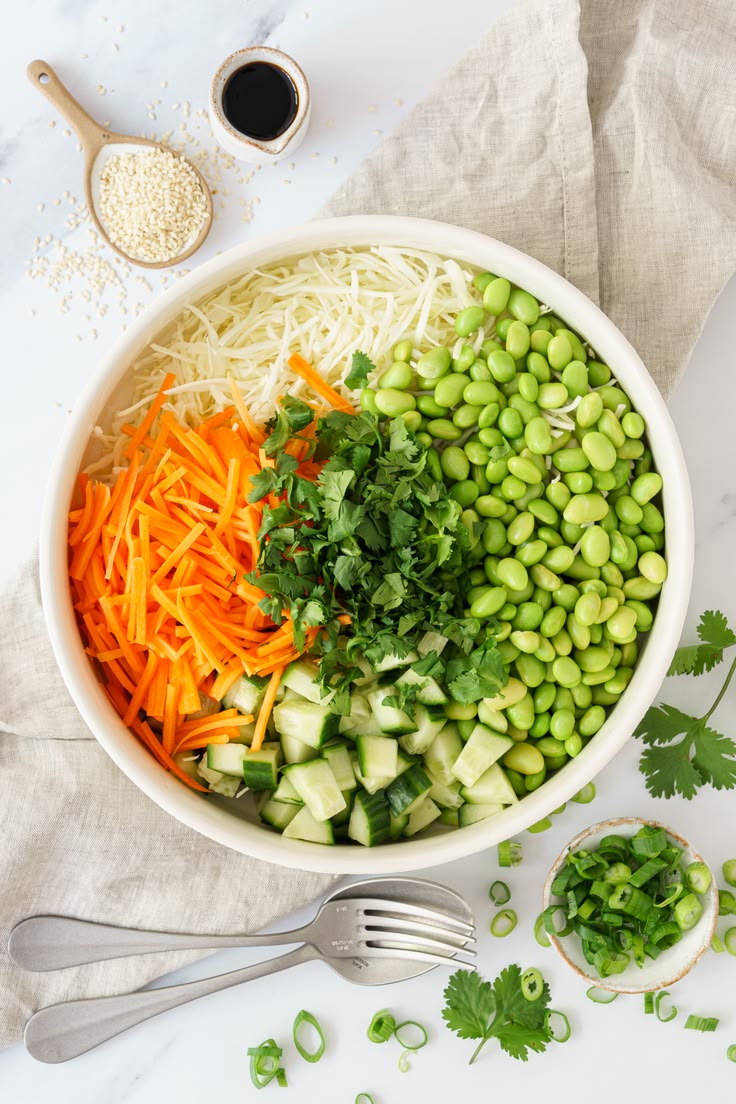
A useful starting point is filling half your plate with vegetables, one quarter with lean protein, and one quarter with whole grains or starchy vegetables. This simple framework adapts to home cooking, packed lunches, and outdoor meals alike.
fitnessbioel focuses on approachable combinations rather than restrictive rules, helping you maintain variety without overcomplicating grocery trips.
Vegetables, legumes, and whole grains add fibre and variety to everyday plates.
Fish, eggs, poultry, tofu, and legumes are common protein sources in varied Australian meals.
Olive oil, nuts, seeds, and avocado add flavour and texture to home-cooked dishes.
Australia warm climate makes hydration especially relevant. Drinking water regularly throughout the day is a simple habit, particularly during outdoor activities and warmer months.
Begin with a glass of water after waking before coffee or tea.
Increase fluid intake before, during, and after exercise or extended time in the sun.
Aligning meals with seasonal availability improves freshness, supports local growers, and naturally diversifies your diet throughout the year.
Stone fruit, berries, tomatoes, and zucchini shine in light salads and grilled dishes.
Apples, pears, pumpkin, and root vegetables suit warming soups and roasted trays.
Citrus, brassicas, and hearty greens pair well with slow-cooked meals and broths.
Asparagus, peas, and fresh herbs lift lighter plates as temperatures rise.